
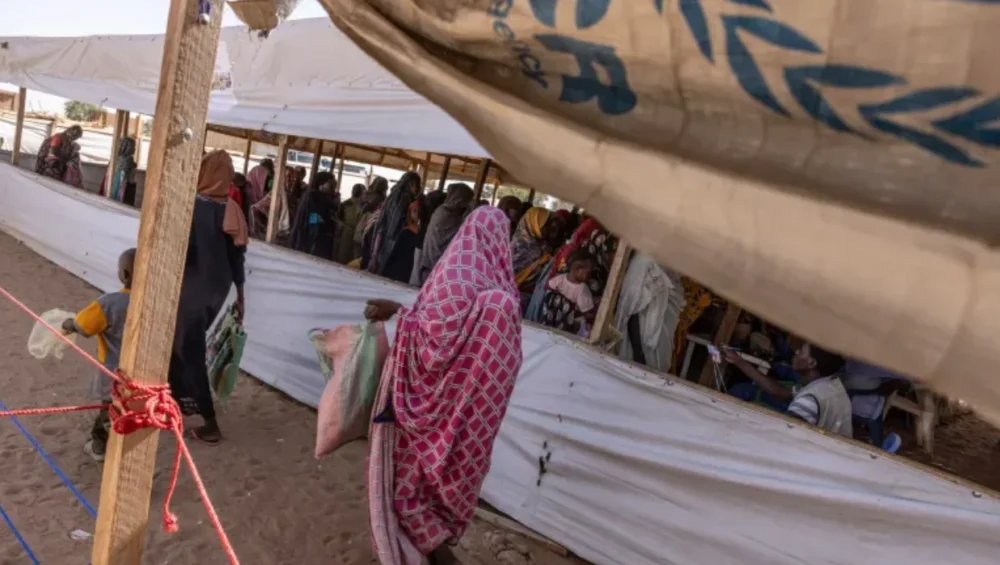
The humanitarian community is witnessing one of its most significant and devastating scandals in recent years, as the aid group Médecins Sans Frontières (MSF) reveals a system of abuse within its ranks in Chad. After an expose from the Associated Press launched the probe by the MSF in 2024, the organization found that there were 59 cases of sexual abuse within the organization, causing the firing of 18 people. This scandal highlights the betrayal of humanitarian values, where the protectors became the perpetrators of their victims’ suffering.
This is not just a problem for Chad. MSF has many thousands of employees spread out among several crisis areas around the world, and it has come to light that such a large organization does not seem to have enough control or accountability measures in place to protect refugees and displaced people receiving their aid. The reason why this case is so devastating is that the refugees affected were mostly Sudanese refugees, who had sought refuge from a civil war in Sudan.
The Investigation’s Revelations: What Was Discovered
A worrying trend was unearthed in which sexual favors were exchanged for food and job opportunities, with the victims comprising young girls. It was reported by the Associated Press in a November 2024 investigation that Sudanese women attempting to seek refuge in Chad had been lured with offers of jobs and assistance in return for engaging in sexual acts. In light of this discovery, the organization MSF conducted an internal investigation that identified 59 instances of sexual harassment and sexual abuse.
In one such example that came up from the investigation, seven girls who were daily workers of MSF were lured in the MSF vehicle on false pretenses of taking them to water distribution or construction sites. However, instead of taking them there, they took them somewhere else where they were sexually abused. This was one example that shows how systematically these people have been exploiting the vulnerable sections of society.
Additionally, the report cited what the investigators called potential “organized sexual trafficking.” Some examples indicated that there was coordination behind such activities instead of being individualized acts. The organization admitted that the real number might have been much greater since many of the victims were afraid of speaking out for fear of repercussions or jeopardizing their asylum claims.
MSF’s Official Response: Regret and Accountability Measures
In its formal declaration, MSF has admitted the severity of the matter, as it referred to the act as
“a significant violation of its values and responsibilities.”
It also conveyed its
“deep regret for the suffering caused to the victims and their loved ones.”
This is an unprecedented instance of admission from a highly reputable humanitarian body that has seldom taken full responsibility for its actions before.
“MSF is not immune to these issues,”
stated an organization representative, acknowledging that the humanitarian sector must confront its own vulnerabilities. The statement continued, emphasizing that MSF “takes any reports seriously” and has established mechanisms to prevent, detect, and address staff misconduct. However, the existence of these mechanisms did not prevent the widespread abuse that occurred, raising questions about their effectiveness and implementation.
The organization announced it is
“enhancing its methods for preventing and detecting abuse”
and establishing new confidential reporting mechanisms to encourage survivors to come forward without fear. These measures, while necessary, do little to address the harm already inflicted on the 59 confirmed victims and potentially many more who remain unwilling or unable to report their experiences.
The Victims: Sudanese Refugees in Chad’s Crisis Zone
In this case, the victims belong to some of the most vulnerable groups in the world: refugees who have had to leave their homeland because of civil war. People coming from Sudan have taken refuge in Chad, and the doctors of MSF have been offering assistance not only to refugees but also to the local people who face difficulties accessing basic healthcare services. It should be mentioned that the activities of MSF in Chad are mostly aimed at assisting refugees who have fled from Sudan, adding to the severity of the abuse case.
As mentioned above, female refugees were particularly vulnerable to the exploitation schemes. Due to their displaced position, lack of money, and dependency on aid, these women and young girls have become easy targets of manipulation. In such a situation, the aid worker’s misconduct affects not only the victims but also the entire humanitarian system.
The psychological and social consequences for survivors are severe. Many face stigma within their communities, trauma that affects their ability to reintegrate, and diminished trust in humanitarian organizations. For asylum seekers, the fear that reporting abuse might jeopardize their immigration status creates a powerful deterrent to seeking justice or support.
Historical Context: Recurring Sexual Misconduct in Humanitarian Aid
This is not the first time that MSF has dealt with allegations of sexual misconduct. In the year 2017 alone, MSF dismissed 19 people due to sexual abuses after investigating 24 cases of sexual harassment or abuse in the organization. Previous investigations revealed that there were 40 cases of sexual misconduct. The organization had handled 24 cases of sexual harassment or abuse among their employees in the past, which resulted in the dismissal of 19 individuals.
Previous aid workers had also accused MSF employees of using prostitutes and bragging about having sex in exchange for medicines while serving in Africa, as reported by the BBC in 2018. The repetition of such allegations suggests deeper issues in the humanitarian industry, which could be associated with weak oversight systems, lack of proper training, and power imbalances leading to abuse of power.
The 2018 controversy was addressed in a similar manner, with organizations acknowledging misconduct, firing employees involved in such activities, and implementing stricter preventive policies. However, the new investigation into the abuse occurring between 2024-2026 demonstrates that such efforts did not help avoid a new round of scandals.
Systemic Failures: Why Prevention Mechanisms Didn’t Work
That there were supposed mechanisms by which MSF could prevent, detect, and deal with misconduct among its employees failed to stop the rampant exploitation that happened in Chad. This problem indicates serious issues with the mechanisms and culture of the organization. There are several possible reasons why such abuse was allowed to happen.
One reason for that abuse is the difference in power between aid workers and refugees. The latter depend on aid work for sustenance, healthcare, and perhaps even immigration. As such, aid workers who control these sources of assistance can easily take advantage of this situation.
Second, the humanitarian sector operates in crisis zones where traditional legal and regulatory frameworks may be absent or ineffective. Chad, hosting refugees from Sudan’s civil war, represents such a context where perpetrators can exploit jurisdictional gaps and limited enforcement capacity. The remote locations where aid is delivered, combined with the urgent nature of humanitarian response, can create environments where misconduct goes undetected or unreported.
Thirdly, cultural issues and stigmatization of sexual abuse may cause victims to fail to report sexual abuse cases. Sexual abuse is something very shameful in most communities, and those who suffer sexual abuse become outcasts if they reveal what happened to them. For a refugee who is already displaced due to war, reporting sexual abuse is not easy at all
The Broader Humanitarian Sector Crisis
The issue of this scandal is indicative of the issues facing the whole humanitarian industry rather than MSF. Other agencies such as the UN, WFP, and many others provide humanitarian aid in crisis situations in conditions similar to those in which MSF works. The recurring theme of sexual misconduct complaints in the sector suggests that there are serious structural problems in place that must be addressed by all involved organizations.
It has been pointed out that the humanitarian business has paid too little attention to ensuring that the rights of survivors have been considered as much as the mission of delivering aid. Urgency of the humanitarian response required by crisis situations may prompt organizations to keep their projects running in the face of allegations of sexual misconduct.
The sector also struggles with workforce composition and oversight. Humanitarian organizations employ both international staff and local workers, often in remote locations with limited supervision. This structure can create opportunities for exploitation, particularly when local staff may have less training in ethical standards or face different cultural pressures regarding reporting misconduct.
Impact on Public Trust and Future Funding
The Doctors Without Borders Chad investigation scandal could damage humanitarian organizations’ reputation because donors might have doubts about the efficiency and ethics involved in how their money is being used for humanitarian assistance. As a result of scandals like this one, donations could be significantly reduced because of donors’ fear that organizations providing aid are unable to protect vulnerable people.
Since the organization under discussion is quite popular among donors, media will probably cover its story. In addition, the fact that medical staff usually helps save lives and represent true heroes in the eyes of people makes this scandal even more scandalous.
Humanitarian organizations must now work to rebuild trust through transparency, accountability, and demonstrable improvements in prevention and response mechanisms. This rehabilitation process will require more than public statements; it demands genuine cultural change, enhanced oversight, and meaningful consequences for misconduct.