
The conflict between the United States and Iran has entered a more dangerous phase, with President Donald Trump saying on July 24, 2026, that he was considering “a massive attack” on Iran while the ceasefire and memorandum of understanding that had briefly restrained the war continued to unravel. The warning has intensified concerns that the conflict could slide into violations of the laws of war, especially if either side targets civilian infrastructure such as bridges, power systems, ports, or commercial shipping routes. As the fighting expands across land, sea, and air, the legal and humanitarian stakes are rising just as fast as the military ones.
The direct context is that of a precarious truce that has been fragile from the beginning and has come under strain in recent weeks. In fact, reports suggest that even as they agreed on the truce, both Iran and the United States continued to engage in airstrikes against each other, with one timeline saying that the truce was “always precarious” from the time it began until it became “shaky” following attacks in and around the Strait of Hormuz. As of July 24, the U.S. military was reportedly conducting its 13th straight night of airstrikes on Iran while Iran responded to attacks by the U.S. military in the Gulf region.
Trump’s Threat and the Military Context
Trump’s comments were unusually direct. In remarks reported by Axios and echoed by other outlets, he said,
“I am considering a massive attack. Bigger than ever before. I am close to making a decision,”
according to coverage cited by NPR and ABC-linked reporting.
Moreover, he also reported Iran being unprepared for negotiations in other pieces of news, while claiming that America would have enough capacity to retaliate in much a greater way than before. The choice of words is crucial in this context in that it conveys not only political threats, but also indicates a potential transition from a limited strike scenario to escalation. The U.S. military engagement has been quite proactive thus far.
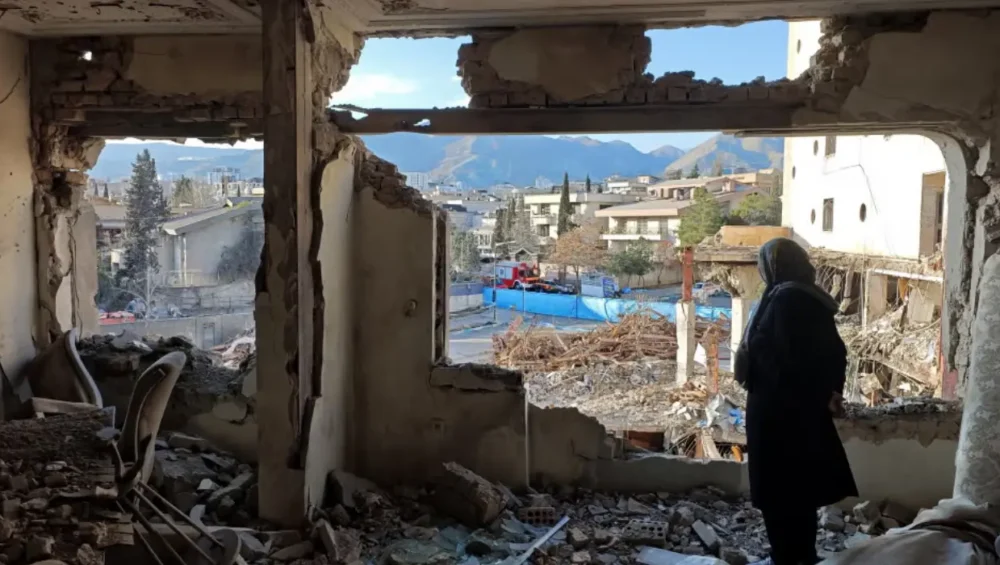
According to the news published on July 24, the U.S. military forces conducted strikes for almost two weeks in a row, aiming to degrade Iran’s capabilities to threaten maritime navigation. Meanwhile, according to other reports, the U.S. strikes widened the scope of the operation geographically and struck up to 90 targets at once, among which were sites that were claimed by Iran to contain bridges. It is especially important for the discussion of war crimes since the more military operations expand the area of their activity, the more difficult it becomes to determine military objectives from civilians.
Ceasefire Collapse and the MOU
The ceasefire and the June memorandum of understanding were meant to halt the slide toward broader war. The 14-point arrangement, signed on June 17, reopened the Strait of Hormuz, ended the U.S. naval blockade, offered sanctions relief, and set up a 60-day negotiating window toward a permanent agreement. It also included a broad economic framework, with incentives intended to persuade Tehran to stay inside diplomacy rather than force. On paper, the deal looked like a structured off-ramp; in practice, it proved fragile almost from the start.
This fragility now becomes the core of the plot. The deal started falling apart after Iran’s drone and missile attacks on commercial ships and US response; it is further revealed by the sources that after additional attacks by Iran, the US revoked Iran’s license for international sale of its oil. Furthermore, it is stated by the source that the passage of ships in the strait dramatically decreased after reaching its peak, revealing the vulnerability of the international transport network to any regional conflict. In case the ceasefire deal depends on passage of ships, sanctions, and self-restraint, one attack will set off a sequence of events.
Why War Crimes Questions Are Rising
The issues of potential war crimes are not merely theoretical. As far as can be gathered from the information provided, the threats included targeting of civilian infrastructure such as power plants and bridges, as well as threats associated with ships and ports. Pursuant to the rules of warfare, civilian objects are immune from being targeted unless they become military objects, and even then, any attack should satisfy necessity, proportionality, and distinction criteria. This is precisely why the references to attacking infrastructure are so significant from the legal point of view – because it shows either indifference towards civilian casualties or intention to put pressure on the whole population by means of disrupting its life.
The problem has two faces. As can be seen from the documents provided, the leaders of Iran have also threatened retaliation against U.S. forces and targets in the area, and President Trump has said that the U.S. would make sure that Iran would be held responsible for the next attacks within the scope of the conflict in the area.
Statements From Both Sides
Trump’s public posture has combined threat, defiance, and ambiguity. He said the U.S. was “all set” for action in one account, yet he also stopped short of confirming a final decision. In another line of reporting, he called Iran’s leaders “scum” and “sick people” after declaring the ceasefire “over,” language that reflects how far diplomatic messaging has fallen from restraint. That rhetoric can matter as much as troop movements, because it shapes how supporters, allies, and adversaries interpret the seriousness of a possible strike.
Iran has answered with its own warnings. The reports say Tehran launched retaliatory attacks on U.S. targets in the Gulf, while maintaining its own position that the U.S. violated the peace arrangement first. Iranian officials have also disputed the meaning of the maritime clauses, saying they believed they retained some authority over passage through the Strait of Hormuz, while Washington argued the deal would open the waterway by the end of the 60-day period. That dispute over interpretation is important because it shows the collapse was not just military, but also diplomatic and legal.
Strategic Stakes Beyond the Battlefield
It has developed into a regional crisis with worldwide implications. The Strait of Hormuz continues to be one of the world’s most vital waterway chokepoints, and the reports reveal that the level of activity through the strait decreased immediately after the attacks and reprisals. If there is any long-term disruption here, it would lead to higher insurance costs, affect the market of energy and convert military conflict into economic shock. This is why the deliberation on possible escalation at the White House is being followed well outside the Middle East. There is also a political aspect to it.
Trump seems to be sending a tough message but with strategic flexibility, maybe in order to force Tehran back to the negotiation table or to prevent more attacks. However, the danger of such an approach lies in miscalculated escalation, when if Iran feels that a massive strike is coming, it will attack first or expand the battle field. Wars in which civilian infrastructure targets are included make deterrence impossible to distinguish from coercion, and coercion leads to a disaster very fast.