
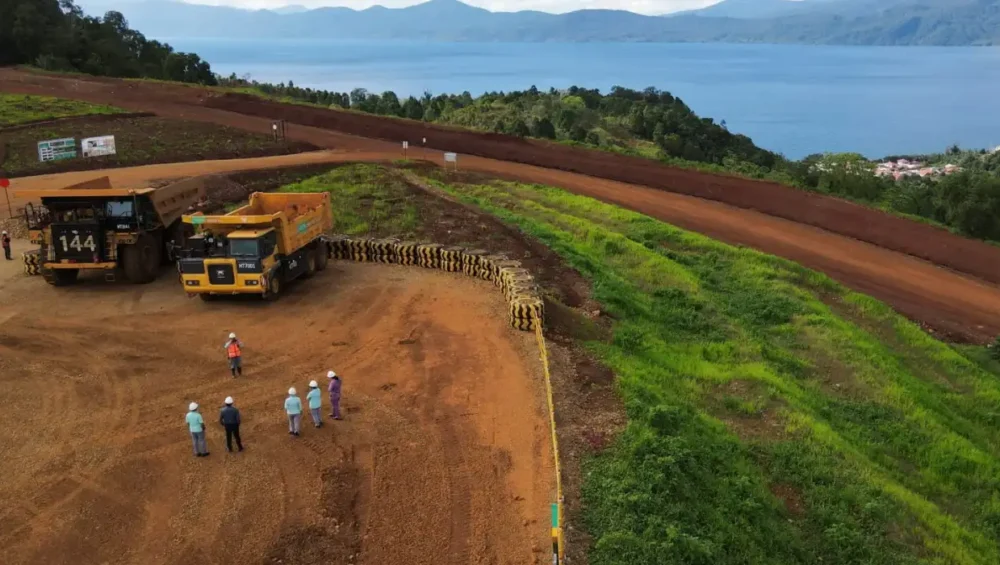
A new analysis has deepened scrutiny of the human-rights record surrounding Chinese-linked transition mineral projects, showing a steep rise in alleged abuses as demand for clean-energy inputs accelerates. The Business & Human Rights Resource Centre says the pattern is no longer limited to a few isolated projects, but instead reflects a wider and worsening problem across the global supply chain for minerals such as copper, nickel, lithium and cobalt.
Why does the study matter? The transition minerals are key to the story of the energy transition. They are needed for EV batteries, photovoltaic cells and wind turbines, but the mining and processing of these minerals is becoming increasingly controversial. This gives the story its political-economic importance, all the more so as Chinese companies continue to play a prominent role in foreign mining operations.
Rising Allegations Across Years
The alarming statistic from the most recent briefing is that during the years 2023 and 2025 alone, the Resource Centre identified 326 complaints of abuses related to foreign investments by Chinese firms in transitional minerals, making a total of 434 complaints from 2021 to 2025. As per the report, the figure has risen each year during the said period, meaning that the trend is rising consistently, not just as a one-time occurrence. The current total figure was reached after the first investigation, which revealed 102 complaints from January 2021 to December 2022. This means that the frequency of the recorded complaints has drastically increased in recent years, supporting the message of the report about how the threat keeps increasing with the rise of the mineral rush of clean energy minerals.
Concentration Among Firms
Another notable finding is how concentrated the allegations are. The latest analysis says ten Chinese companies alone accounted for nearly two-thirds, or 65%, of all allegations. That is significant because it suggests the problem is not evenly distributed across the sector; rather, a relatively small number of firms appear repeatedly in allegations of harm.
The broader March briefing on transition minerals also named major mining companies linked to a surge in allegations, including China MinMetals and Sinomine Resource Group. The report’s framing is important: it does not claim every Chinese-backed project is abusive, but it does argue that some leading firms are repeatedly associated with rights complaints, which raises questions about due diligence, oversight and remedy. For reporting, that distinction matters because it avoids overgeneralizing while still highlighting structural risk.
Where Abuses Cluster
In the earlier 2023 report, there were recorded abuses in 18 different countries. The highest number of such allegations was from Asia, which accounted for 42% of all allegations. Latin America accounted for 27%, and Africa accounted for 24%. The highest number of allegations was made against Indonesia at 27, followed by Peru at 16, the Democratic Republic of Congo at 12, Myanmar at 11, and Zimbabwe at 7. These five countries contributed to more than 70% of the total allegations in that particular time period.
The geographical distribution is linked to the geographic distribution of Chinese investment in minerals, because most of the investment in minerals is done in countries rich in resources but having poor regulatory measures with limited options for locals to file complaints about the abuse. This is highlighted in the report itself, and according to the report, many projects take place in areas where governance is poor and where legal protections of workers and locals are not strong.
Types of Harm Reported
The allegations cover a broad range of abuses, but three categories recur most often: local community rights, environmental harm and workers’ rights. In the 2021–2022 period, over two-thirds of allegations, or 68%, involved abuses against local communities, including harms to livelihoods, land rights and Indigenous rights. The report says consultation failures are a major issue, indicating that communities are often not meaningfully engaged before projects move ahead.
The environmental harm is another key issue discussed in both briefings. As mentioned in the earlier briefing, 53% of the reported incidents involved environmental damages such as water contamination, wildlife and habitat loss, and access to water difficulties. In its coverage of the 2023 report, AP also stated that over half of the reports involved environmental damages and, most notably, were related to the lack of safe water supplies. The relevance of the issue lies in the fact that the environmental damage is not an isolated issue from the human rights abuse; the two are often intertwined in a number of ways, such as through the contaminated water and the harmed land and the loss of livelihoods.
The right of workers is also an important issue raised by the 2023 briefing which noted that 35% of allegations involve workers’ issues mostly connected with the health and safety issues in the workplace. The broader March 2026 briefing mentions the increasing human rights abuse, environmental damage, and conflict within communities as a result of the global rush towards transition minerals, suggesting that the problem extends beyond the community to labor.
Why The Trend Is Worrying
The report’s underlying warning is that the clean-energy transition is generating its own social costs if it is pursued without stronger safeguards. The Resource Centre says the scale and scope of the abuses linked to Chinese overseas investment in transition minerals are significant, and its findings suggest that current corporate practice has not kept pace with the speed of project expansion. Even though the Chinese government and the China Chamber of Commerce of Metals, Minerals & Chemicals Importers & Exporters have promoted some overseas corporate-responsibility advances, the briefing concludes that major risks remain.
The report highlights another disconnect between the practices of the companies and their policy commitments. Of the 39 firms analyzed in 2021-2022, only seven firms have issued any form of human rights policies. This is a crucial measure because it indicates that the issue is not just occurring on the ground but also within corporate governance and disclosure practices. When it comes to such a strategically important sector as the critical minerals sector, lack of accountability becomes an institutional issue.
New Mediation Mechanism
In light of all this, the establishment of a new system of mediation to resolve disputes between Chinese companies and local communities deserves special attention. Timing is of significance here because the implementation of the new process happens amid the increase in documented allegations, meaning that the reaction was taken when needed, not proactively to prevent any future incidents. Mediation can provide communities with an opportunity to address their grievances directly, but it depends on how the companies participate and if the results of the process have legal or just moral weight.
This is what makes the wording of the report very careful. While noting “serious questions” about some Chinese investments, the authors do not claim that mediation is enough to deal with the root of the problem. The point is that the grievance mechanisms make sense only if combined with preventive ones, such as due diligence, consultations, and protection of the rights of Indigenous and community groups.