
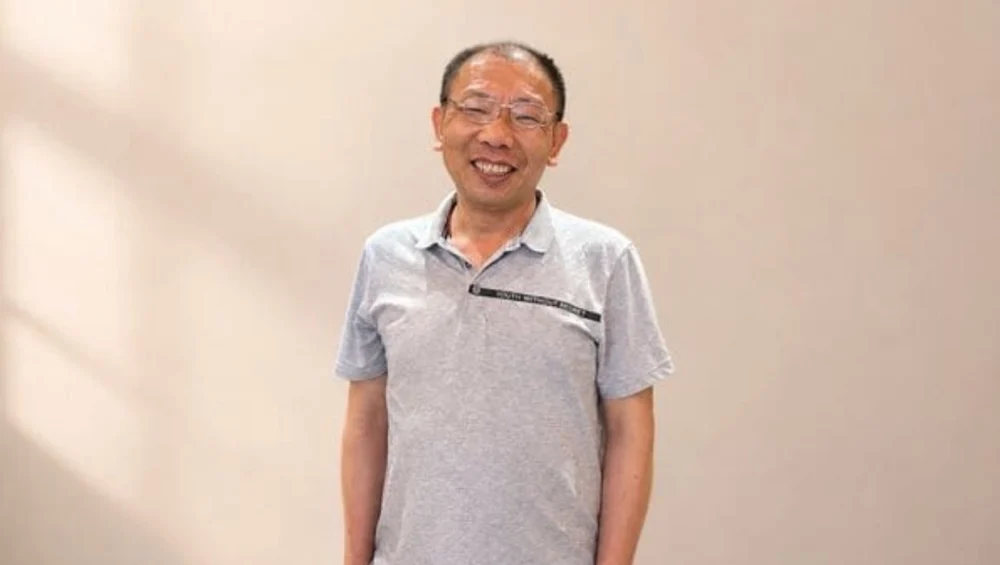
The case of Yang Li, a 46‑year‑old land rights defender from Jiangsu, has become a stark illustration of how China’s security apparatus can weaponise health against dissent. Yang, diagnosed with end‑stage kidney failure, has been repeatedly intercepted, detained and effectively disappeared from contact while attempting to reach Beijing for life‑saving dialysis. Her ordeal—spanning prison, police custody and incommunicado detention on the road to hospital—has drawn urgent warnings from UN experts and global rights groups that her life is at imminent risk.
Yang’s situation is particularly frightening for journalists and investigators in light of the fact that her medical situation, along with the fact that the obstruction is part of a system, poses a real problem. Human rights monitors claim that there is an organized attempt by police agents to prevent her from leaving and seizing her phone and returning her to Jiangsu, despite her swelling legs and kidney failure. It is reminiscent of previously documented cases of deaths of activists who were prevented from receiving any medical attention.
Activism Rooted in Land Rights
Yang Li was born in the Jintan district in Changzhou city in eastern Jiangsu province, an area in which she has fought for over a decade against the expropriation and forced relocation of the land on which she and her neighbours live with meagre compensation offered by the local authorities. Starting from 2014, she has submitted petitions, gone to court and made public the abuses related to the expropriation of the land affecting her family and their neighbours. In doing this, she has moved from the local police stations to the Jiangsu High People’s Court, and even to the Beijing-based National Public Complaints and Proposals Administration in 2023. This tenacity has certainly not come without a heavy price. According to various rights organizations, Yang Li herself, alongside her parents, has been subjected to surveillance, intimidation, illegal detention, beatings and threats. The local authorities in Jintan district were quoted saying that, once Yang Li and her parents are dead, “the disputes over their land will disappear naturally”, which shows the high price being paid for her activism.
Imprisonment and Systematic Denial of Care
In 2024, Yang and her father, Xu Dongqing, were arrested over what authorities described as “persistent petitioning.”
They were both accused of “disrupting the work order of state organs” and while Yang was sentenced to one year and three months in prison, her father received a 13-month sentence. She spent her sentence at the Changzhou Detention Centre where, because of her kidney disease, conditions soon became life-threatening. Based on the rights reports, Yang went on hunger strike in response to an illegal conviction, and stated that she was given food she could not consume because of her renal disease. By August 2025, she suffered from renal anemia as well as leg and foot edema.
Despite the fact that the detention center requested her treatment and dialysis, those requests were allegedly vetoed by high officials such as Li Yaoguang, secretary of the Jiangsu Provincial Political and Legal Committee. Amnesty International, among other organizations, states that such behavior goes against the international norms, including the UN Mandela Rules which provide that prisoners should be provided with healthcare of the same standard as the community members. Sarah Brooks,
Deputy Regional Director, said,
“Keeping Yang Li from essential treatment is unconscionable. Denying urgent care to a critically ill woman – seemingly in retaliation for her peaceful advocacy – is a glaring violation of China’s duty to respect and fulfil the right to health of all.”
Release Without Remedy
Yang was freed on 30 December 2025; however, this liberty turned out to be deceptive. She did not go straight into the hospital but spent some time in a local police station where her activities were restricted, hindering her from accessing healthcare services. Yang’s sister, Yang Caiying, explained to the observers that Yang’s “illness got much worse during the time she spent in detention.” When she was finally free, Yang’s condition was characterized as end-stage renal disease, which could only be treated using dialysis.
As per civil society organizations monitoring the case, after her release, police officers kept stopping Yang in her efforts to get into Peking University No. 1 Hospital in Beijing where she was supposed to undergo dialysis. Several times in January 2026, Yang and her father were stopped from leaving Jintan; their phones were confiscated, and they disappeared for hours. Once, when an ambulance was called because of her worsening health, Yang was taken first to the police station, and then driven back to Jiangsu.
Disappeared While Seeking Care
The phrase “disappeared while seeking urgent medical care” captures the core of what has happened to Yang Li. On 11 January 2026, she and her father travelled to Beijing for a medical appointment and, according to reports, attempted to seek support from top leadership by going to Yuquanshan. They were detained before they could do so; an ambulance was summoned as Yang’s condition worsened, but she was transported to Sijiqing police station and then driven back to Jiangsu, where they were released on 13 January after being charged with “picking quarrels and provoking trouble” and barred from leaving Jintan.
A week later, on 18 January, both Yang and her father were arbitrarily detained when leaving their house by undercover policemen who made them get into civilian cars and take them to Jintan Law Enforcement Case Management Centre, where they were held for over ten hours while confiscating their phones and keeping their families in the dark about their location. This case, according to Front Line Defenders, is an arbitrary detention which is meant to keep Yang from receiving vital healthcare.
It states that her life is “at imminent risk.” Around the beginning of February, Yang seemed to have finally made it to Beijing, as a hospitalization letter of hers was issued by Peking University No. 1 Hospital on 11 February. However, she could not be hospitalized and was once again forcefully taken back to Jiangsu by the police. Every interception and forced return makes Yang’s family and supporters worry that she is being let die because of her activism.
UN and International Condemnation
UN human rights experts have framed Yang’s case as part of a broader pattern of using health neglect and arbitrary detention to punish peaceful defenders. In early February 2026, they urged Chinese authorities to grant her immediate access to adequate medical care, detailing concerns about her treatment in detention and the post‑release pattern of police intercepting her trips for treatment, arbitrarily detaining her for hours, and in one instance allegedly assaulting her.
The experts noted that Yang’s arrest and indictment
“appear to represent an effort by the authorities to prevent her from peacefully exercising her rights to seek redress for legitimate grievances,”
adding that this harassment was
“compounded by the fact that it was coupled with preventing her from accessing medical treatment.”
They described forced nasal feeding in response to her hunger strike as
“tantamount to cruel, inhuman and degrading treatment under international human rights law.”
Front Line Defenders, which has issued multiple urgent appeals on Yang’s behalf, has called on Beijing to
“immediately ensure that Yang Li has full and unhindered access to urgent and specialised medical care”
and to end all acts of harassment and intimidation against her and her family. The group warned that the continued denial of treatment and restrictions on her movement are directly linked to her peaceful human rights work.
A Broader Pattern of Health as Repression
The case of Yang Li fits into a more lengthy and grim history of Chinese government denying medical care to those who challenge the system. Various rights organizations have noted similar practices directed at other petitioners and activists, in some cases leading to the death of the detainee due to lack of care. The logic is straightforward: not only are those who raise their voices punished with prison, but some are denied the most basic right to health as well. According to Civil Rights and Livelihood Watch and other organizations, the bulk of the harassment aimed at Yang and her relatives is caused by Li Yaoguang, the secretary of the Jiangsu Provincial Political and Legal Committee, who allegedly denied requests for medical assistance while Yang was in detention.
The Stakes Ahead
As of the most recent accounts, Yang Li is still being held within Jiangsu and unable to travel or receive specialized care elsewhere. The Li family is fearful of another denial of proper treatment and potential retaliation if they continue seeking aid in other provinces. Without dialysis every day that passes is putting Yang’s health at greater risk of failing organs and possibly even death, which will make her situation a time-sensitive issue and source of increased pressure on the Chinese government to provide assistance. This will make it especially difficult for human rights groups and journalists to focus on the case because of the urgency and potential implications of the case in making an example of China. Front Line Defenders have expressed their grave concerns about
“the physical and psychological integrity of Yang Li, and believe that her life is at imminent risk.”