
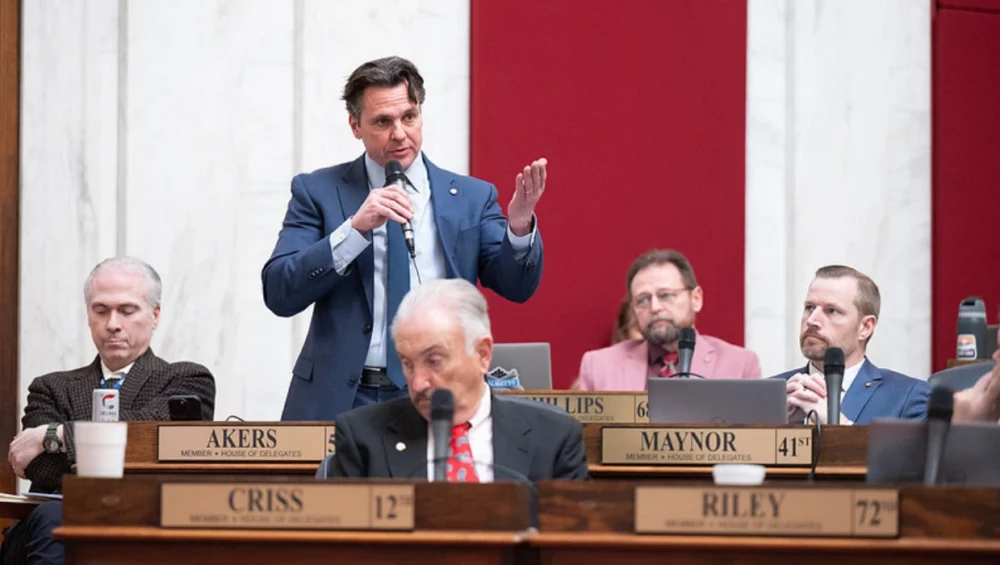
The enactment of West Virginia HB 4433 human smuggling provisions marks a notable change in how the state approaches crimes involving the movement and exploitation of people. Signed by Governor Patrick Morrisey in March 2026, the law combines expanded penalties for human trafficking with the introduction of a new felony category tied directly to the transportation or harboring of individuals without legal immigration status. By doing so, West Virginia’s legal framework now sits at a complex intersection of criminal justice policy, immigration enforcement debates, and victim-protection principles.
Supporters of the legislation have argued that stronger enforcement tools are necessary to disrupt networks that profit from exploitation and illegal movement. They frame the statute as part of a broader national response to trafficking risks that became more visible through legislative discussions and law-enforcement operations in 2025. Critics, however, contend that merging trafficking rhetoric with immigration enforcement raises legal and humanitarian questions about the boundaries between exploitation, migration, and assistance.
Policy Framing Within State Governance
The framing of the law reflects a wider shift in several states where lawmakers have sought to address trafficking alongside concerns over unauthorized migration. Advocates within the legislature have portrayed the measure as a step toward closing gaps they believe existed in state criminal codes. By expanding the range of prosecutable conduct, proponents maintain that local prosecutors will be better equipped to respond to evolving trafficking patterns.
Opponents have focused on how the new smuggling offense relies heavily on immigration status as a defining element of criminal liability. They argue that this emphasis may redirect enforcement priorities away from exploitation itself and toward the legal classification of individuals present in the state.
The Political Timing of HB 4433
The timing of the legislation reflects ongoing national debates that intensified during 2025 regarding border policy, labor exploitation, and human trafficking investigations. Federal agencies during that period reported heightened scrutiny of trafficking routes connected to domestic labor markets, prompting several states to revisit their own enforcement mechanisms. In West Virginia, lawmakers used those developments to justify broader criminal provisions they say are needed to address emerging patterns of movement and exploitation.
Key Legal Shifts Under the Statute
The legal significance of West Virginia HB 4433 human smuggling provisions lies in the way the law restructures criminal categories related to trafficking and migration. Two aspects stand out: the creation of a separate smuggling felony and the expansion of penalties associated with trafficking crimes.
New Human Smuggling Offenses and Penalties
The law formally establishes human smuggling as a distinct offense under state law. Under its terms, individuals who knowingly transport or conceal undocumented persons with the intent of helping them evade immigration enforcement may face felony charges. Penalties differ depending on whether the conduct involves adults or minors, with harsher consequences when children are involved.
In addition to prison sentences, the statute allows the seizure of property used in smuggling activities when owners are found to have participated knowingly. This feature aligns the offense with broader criminal-asset forfeiture tools used in other organized-crime investigations. Lawmakers describe this approach as necessary to dismantle logistical networks that support illegal transportation systems.
Enhanced Trafficking Penalties and Victim Compensation
Beyond smuggling provisions, the statute strengthens the state’s existing trafficking laws. Sentences for crimes involving forced labor or sexual exploitation have been extended, reflecting a pattern seen across several states that revisited trafficking penalties during 2024 and 2025. Legislators argued that higher sentencing ranges would act as a deterrent and signal the seriousness with which the state views these offenses.
The law also mandates restitution to victims and, in some circumstances, to third parties that incurred costs related to the crime, including health services or recovery support. This reflects a growing policy trend emphasizing the financial and social consequences of trafficking on both individuals and public institutions.
Intersection With Federal Legal Frameworks
While states maintain authority to prosecute certain criminal conduct, immigration enforcement traditionally falls under federal jurisdiction. By embedding immigration status into the smuggling offense, HB 4433 creates a legal overlap that may require careful interpretation by courts. Legal analysts note that similar questions have arisen in other states when local laws intersect with federal immigration statutes.
How prosecutors interpret these provisions in practice will influence whether the law becomes a model for expanded state authority or remains a contested legal experiment.
Intent, Exemptions, and Legal Interpretation
The debate surrounding West Virginia HB 4433 human smuggling provisions has centered not only on the penalties involved but also on how intent and exemptions are defined within the law. Legislators attempted to address concerns that routine acts of assistance could inadvertently fall within the scope of criminal liability.
Clarifying the Role of Intent
During the legislative process, amendments were introduced to clarify that individuals must act knowingly and willfully to be prosecuted under smuggling provisions. The addition of language requiring deliberate intent was meant to ensure that accidental or incidental interactions would not be treated as criminal conduct.
Supporters of the amendment argued that this wording narrows the focus to organized smuggling activities rather than humanitarian acts. However, legal observers point out that intent is often interpreted through circumstantial evidence, which means courts will play a significant role in determining how the law is applied over time.
Professional and Family Exemptions
The statute includes exemptions for certain professional roles such as medical providers, attorneys, and individuals performing duties under government contracts. These provisions aim to maintain trust in essential services by ensuring that healthcare providers or legal representatives are not penalized for fulfilling professional obligations.
Family members transporting relatives also receive limited protections under the law. Legislators described these carve-outs as necessary to prevent the statute from interfering with fundamental social relationships and caregiving responsibilities.
Ongoing Debate Over Humanitarian Aid
Despite the inclusion of exemptions, debate persisted regarding broader protections for humanitarian assistance. A proposed amendment that would have shielded individuals offering basic aid such as food, shelter, or transportation for immediate safety reasons did not gain approval. Lawmakers opposing the change argued it could create loopholes that might weaken enforcement.
Advocates supporting the amendment warned that without clearer safeguards, organizations and volunteers assisting migrants might operate under uncertainty. This unresolved question may shape how community groups engage with vulnerable populations in the coming years.
Legislative Politics and 2025 Context
The passage of HB 4433 reflects the political dynamics present in West Virginia’s legislature and the wider national policy climate. Republican lawmakers largely supported the measure as part of broader public-safety and immigration discussions that gained prominence during 2025. Democratic legislators acknowledged the importance of combating trafficking but raised concerns about the scope of the smuggling provisions.
This pattern mirrors debates in other states where similar proposals were introduced or discussed in recent years. Lawmakers often face the challenge of balancing crime-prevention strategies with concerns about civil liberties and federal authority.
Influence of National Migration Debates
National discussions about migration and border security intensified in 2025, influencing state legislative agendas. Several states sought ways to strengthen enforcement against trafficking networks while addressing concerns about unauthorized migration. West Virginia’s legislation reflects that broader policy momentum.
Supporters argued that federal enforcement alone could not address all trafficking-related activity affecting their state. They maintained that empowering state prosecutors would help fill gaps in enforcement capacity.
Federal-State Jurisdiction Questions
Critics raised questions about whether state-level smuggling laws could overlap or conflict with federal immigration statutes. Legal experts have noted that similar laws in other jurisdictions have faced scrutiny regarding constitutional pre-emption principles. While the outcome of potential challenges remains uncertain, the issue highlights the evolving relationship between state and federal enforcement roles.
Human Rights Implications and Future Policy Trajectories
The broader impact of West Virginia HB 4433 human smuggling provisions extends beyond legal technicalities into questions about how communities, service providers, and migrants interact with law-enforcement institutions. Human rights organizations have emphasized that trafficking victims often rely on local networks for assistance before engaging with authorities.
Embedding immigration status within the definition of a criminal offense may alter how some individuals perceive the safety of seeking help. Service providers working with vulnerable populations have noted that uncertainty about legal exposure can influence whether victims or witnesses cooperate with investigations.
At the same time, supporters of the statute argue that the law strengthens the state’s ability to address exploitation by targeting logistical support networks linked to trafficking operations. They believe the combination of enhanced penalties and new investigative tools could deter criminal organizations operating within or passing through the state.
The trajectory of HB 4433 will likely depend on how it is implemented by prosecutors, interpreted by courts, and possibly revised through future legislative sessions. Legal challenges or clarifying amendments could refine the boundaries between humanitarian assistance and criminal conduct. As these developments unfold, the law will serve as a case study in how state governments attempt to reconcile anti-trafficking objectives with immigration enforcement realities, a balance that continues to shape policy debates across the United States.