
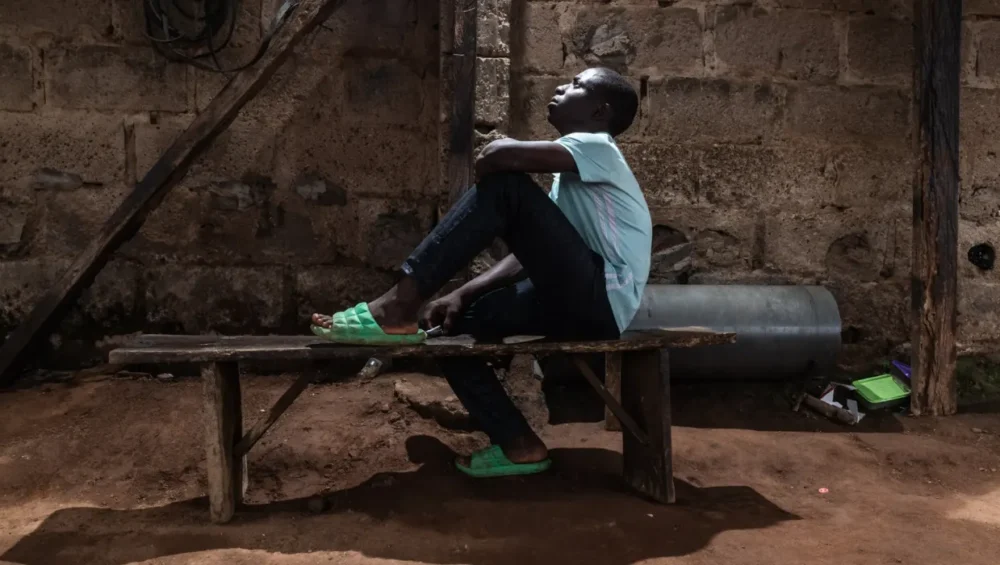
Five years into the escalating conflict that has devastated Nigeria’s North East, the conflict’s civilian toll, particularly children, remains catastrophic. What started as an insurgency by Boko Haram has escalated into a humanitarian crisis that involves several armed groups, massive displacement, and attacks on schools and communities.
While there have been some government and international responses to the crisis, it seems to have no end in sight and has instead entrenched the vulnerabilities of the most vulnerable groups.
Long Conflict Fuels Deepening Humanitarian Emergency
The insurgency, which began in 2009 with the emergence of Boko Haram, or Jama’atu Ahlis Sunna Lidda’awati wal-Jihad (JAS), has grown over the course of more than a decade to become one of the most intractable conflicts in West Africa.
Over the years, the group has fragmented, with one of its splinter groups, Islamic State West Africa Province (ISWAP), continuing to fuel the conflict, especially in Borno, Adamawa, and Yobe states. According to the United Nations, there were 2,519 serious violations committed against 1,250 children across the country between January 2022 and December 2023, with JAS and ISWAP committing most of the violations, including abduction, recruitment, and sexual violence.
This protracted violence has forced millions of people out of their homes. As of the end of 2024, Nigeria’s North East alone had over 2.25 million internally displaced persons (IDPs), representing over 60 percent of the total IDP population in the country. According to the International Organization for Migration, there are over 3.6 million IDPs in Nigeria, the vast majority of whom are in the North East, where the effects of conflict, insecurity, and the failure of essential services have undermined the fabric of life.
The numbers above may actually be lower than the actual number of displaced persons. Other estimates indicate that the total number of IDPs could be higher due to conflict and climate-related disasters.
Children Disproportionately Affected
Children represent a disproportionate number of those displaced and vulnerable. According to Nigeria’s National Bureau of Statistics, more than 50 percent of the IDP population are children, emphasizing that more than half of those displaced by conflict are under the age of 18.
Violations committed against children in the North East are both widespread and serious. In 2022-2023, the violations that were documented include more than a thousand abductions, hundreds of recruitment incidents by armed groups, and hundreds of sexual violence incidents against children. The insurgents have been documented to employ children as fighters, porters, messengers, and even suicide bombers, a very grim strategy that bears out trends identified by UNICEF in the Lake Chad region.
In addition to the threat of insurgent activity, children in displacement environments are at risk for a variety of protection concerns. Without adequate shelter, education, or health care, and with families struggling to survive, children are increasingly at risk for trafficking, exploitation, and forced labor.
Education System in Disarray
The protracted conflict has had a devastating effect on the education sector in Nigeria, particularly in the North East region. School attacks have been a defining feature of the conflict; over 300 schools were damaged or destroyed in the earlier stages of the conflict.
Although the number of out-of-school children in the North East is not well quantified, it is estimated that more than 28 million children lack access to education due to insecurity, among other factors, identified as one of the major barriers. This is in line with the long-held concerns of UNICEF that conflict, displacement, and fear of attack have led to children being kept out of school.
Health and Nutrition Crisis Among Children
The displacement of people due to the conflict has further worsened the health and nutrition challenges. As per the integrated humanitarian reporting, approximately five million people in the North East are suffering from acute food insecurity at crisis or worse levels. In one of the alarming indicators, over one million children below the age of five are estimated to be suffering from severe acute malnutrition.
However, humanitarian organizations such as UNICEF have reported the treatment of thousands of children for severe malnutrition and the provision of psychosocial support to displaced families, although they warned that constraints on funding and access could reverse these advances. The absence of proper sanitation, water, and health facilities in displacement camps has continued to increase the risk of disease and chronic health conditions.
Violations of Children’s Rights and International Law
The severity of the crisis has led to several international inquiries into the abuses of rights. The United Nations Secretary-General’s reports on Children and Armed Conflict in Nigeria document the continued severe violations, especially by JAS and ISWAP, including killing, maiming, abduction, and recruitment and use of children. These acts are defined in international instruments such as the Convention on the Rights of the Child and its Optional Protocol concerning the involvement of children in armed conflict.
Amnesty International has also reported the situation of girls who were rescued from Boko Haram detention and, upon release, were neglected by the authorities, resulting in a lack of access to education, health, and psychological care. The consequences of abuse and stigma have continued to contribute to the vulnerability of these children.
Humanitarian Response and Persistent Gaps
The international humanitarian community, through agencies such as the UN High Commissioner for Refugees (UNHCR), UNICEF, and others, has provided some essential assistance. The assistance provided in Borno State and other locations has included the reintegration of children who were associated with armed groups, cash transfers, access to clean water for hundreds of thousands, and education support for tens of thousands.
Despite these efforts, there are still huge gaps. The lack of funds limits the scope of life-saving interventions. In some conflict areas, access is limited, and large numbers of the population, possibly over a million, are in areas that are inaccessible to aid providers.
Nigeria is also a party to the Kampala Convention, a regional instrument that seeks to protect people who are displaced as a result of conflict, disasters, and climate change. While Nigeria’s adherence to this convention is a political statement, the reality is that IDP communities have continued to suffer from neglect.
A Generation at Risk
As Nigeria embarks on its second decade of insurgency in the North East, the situation seems far from reaching a swift resolution. The collective effects of the conflict, human rights abuses, escalating food insecurity, and displacement are undermining the prospects of an entire generation of Nigerians. Children, who form the majority of the displaced, malnourished, and unschooled, will bear the scars for the rest of their lives.
If the situation does not improve, with a reduction in violence, increased humanitarian support, and improved governance and protection, the North East of Nigeria will continue to represent one of the worst humanitarian crises in Africa. To address these issues, it is not only humanitarian assistance that is needed but also political will and accountability for the human rights violations that have affected the lives of millions of people.