
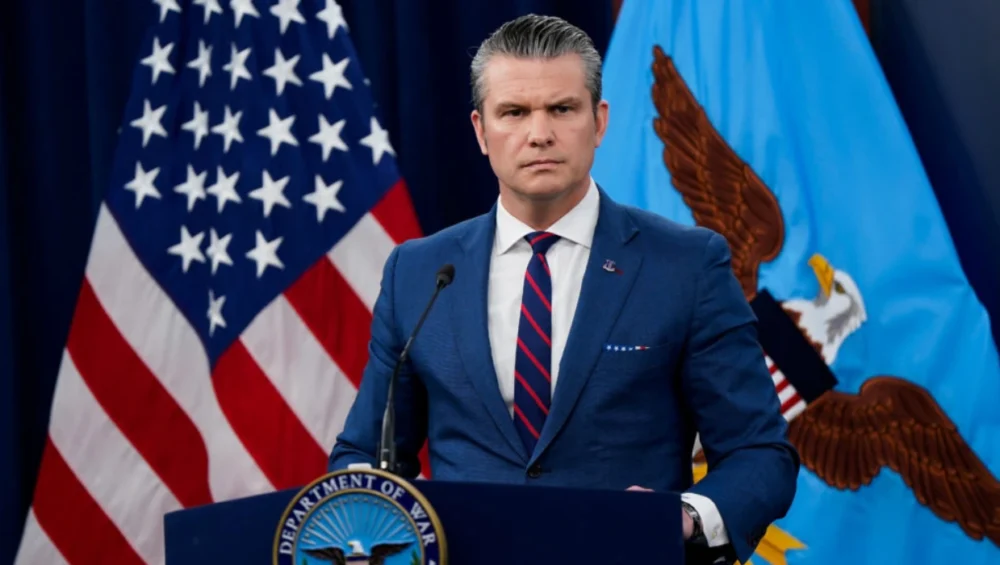
War crime rhetoric occupies a sensitive space within international humanitarian law, where language itself can carry legal implications. Statements that imply denial of surrender or indiscriminate violence are not treated as mere political messaging but as potential signals of unlawful intent. The phrase “no quarter,” historically associated with refusing to spare enemy combatants, falls within this category.
The prohibition is embedded in longstanding legal frameworks, including the 1907 Hague Convention IV and subsequent Geneva law. These rules explicitly forbid declarations that no quarter will be given, recognizing that such language undermines the protections afforded to combatants who surrender or are hors de combat. The reappearance of such rhetoric in contemporary military discourse therefore triggers scrutiny not only from legal scholars but also from operational planners.
Historical Legal Foundations of the Prohibition
The origins of the prohibition can be traced to 19th-century codifications such as the Lieber Code of 1863, which regulated Union conduct during the American Civil War. This framework established early norms against denying quarter, emphasizing humane treatment even in active conflict.
Post-World War II tribunals reinforced these principles by prosecuting commanders who issued or condoned similar directives. The Nuremberg trials helped cement the idea that rhetoric reflecting unlawful intent could contribute to criminal liability, particularly when linked to patterns of conduct on the battlefield.
Integration into U.S. Military Doctrine
Modern U.S. military doctrine incorporates these legal standards through the Department of Defense Law of War Manual. Updated in 2016, the manual explicitly categorizes orders denying quarter as violations of both domestic military law and international obligations.
Training across U.S. armed forces reinforces compliance through the Uniform Code of Military Justice. Commanders are expected to ensure that operational language aligns with legal requirements, reflecting a broader institutional emphasis on discipline and accountability.
Context of Hegseth’s Statement Amid U.S.-Iran Escalation
The March 13, 2026 statement by Defense Secretary Pete Hegseth, referencing “no quarter, no mercy,” emerged during a period of heightened tensions between the United States and Iran. The comment followed reports of U.S. naval operations targeting Iranian assets and expanded counter-narcotics missions linked to regional security concerns.
This context complicates the interpretation of the statement. While intended to project resolve, the phrasing intersects with legal prohibitions that limit how force can be described, even rhetorically.
Link to Ongoing Military Operations
Throughout 2025, U.S. Central Command intensified its operational tempo in the Middle East. Reports indicated over 100 engagements tied to counter-narcotics and maritime security missions, reflecting an expanded rules-of-engagement framework introduced earlier in the year.
One widely discussed incident in 2025 involved a strike that resulted in civilian casualties within Iran, prompting internal Pentagon reviews. Although no doctrinal changes followed, the episode underscored the sensitivity surrounding proportionality and targeting decisions.
Hegseth’s statement appears to align with this broader posture of assertiveness. However, the language diverges from official guidance that emphasizes adherence to proportionality and distinction in the use of force.
Strategic Signaling Versus Legal Constraints
Military rhetoric often serves as a tool of deterrence, aimed at signaling resolve to adversaries. In the context of U.S.-Iran tensions, such statements can influence perceptions of willingness to escalate or sustain operations.
Yet legal constraints impose boundaries on how such signals are communicated. Statements perceived as endorsing unlawful conduct risk undermining credibility, particularly among allies who rely on shared adherence to international norms. This tension between signaling and compliance lies at the core of the current debate.
Reactions From Legal Experts and Policy Stakeholders
The response to Hegseth’s statement was immediate and varied, reflecting concerns across legal, political, and military communities. Analysts highlighted the potential consequences of rhetoric that appears inconsistent with established law-of-war principles.
Some experts emphasized that even rhetorical deviations could carry operational implications, particularly if interpreted as guidance by personnel in the field.
Concerns From Legal Scholars
Legal scholars argued that the phrase “no quarter” carries a precise meaning within international humanitarian law. As one expert noted, such language “unequivocally violates” established norms when interpreted literally, raising questions about its appropriateness in official communications.
Others pointed to the risk of normalizing rhetoric that blurs the line between lawful combat and prohibited conduct. This concern reflects broader debates about how language shapes behavior within military hierarchies.
Political and Congressional Responses
U.S. lawmakers also weighed in, with some emphasizing the potential risks to American service members. Statements perceived as rejecting the laws of war could expose U.S. personnel to reciprocal treatment, particularly in conflicts involving state actors.
Congressional scrutiny of military conduct had already intensified during 2025, with hearings examining rules of engagement in Yemen and other theaters. Hegseth’s remarks add to this ongoing oversight dynamic, potentially prompting further inquiries into compliance and messaging.
Allied and Adversary Interpretations
International reactions further illustrate the complexity of the issue. Iranian officials framed the statement as evidence of aggressive intent, reinforcing narratives of external threat. Such interpretations can influence escalation dynamics by hardening positions on both sides.
Allied governments, while maintaining operational coordination with the United States, have historically emphasized adherence to shared legal standards. Divergence in rhetoric risks creating friction within coalition frameworks, particularly in environments requiring close cooperation.
Operational and Strategic Risks of Escalatory Language
The implications of war crime rhetoric extend beyond legal theory into practical military considerations. Language that suggests denial of quarter can affect battlefield behavior, influencing both friendly and adversary actions.
These effects highlight the interconnected nature of communication, law, and operational outcomes.
Impact on Surrender Dynamics
One of the core purposes of prohibiting “no quarter” declarations is to encourage surrender and reduce unnecessary loss of life. If combatants believe surrender will not be accepted, they are more likely to continue fighting, increasing casualties on all sides.
In the context of U.S.-Iran tensions, this dynamic could complicate engagements involving naval forces or proxy actors. The absence of trust in surrender protocols heightens the risk of prolonged confrontations.
Risks to U.S. Personnel
Statements perceived as rejecting legal norms may expose U.S. service members to reciprocal actions. Adversaries could justify harsher treatment of captured personnel by citing similar rhetoric from U.S. officials.
This concern has been raised in previous conflicts, where adherence to the laws of war served not only moral and legal purposes but also practical ones related to force protection.
Effects on Coalition Cohesion
Coalition operations depend on shared rules and mutual trust. Divergent interpretations of acceptable conduct can strain these relationships, particularly when partners face domestic political pressures to uphold international law.
During 2025, NATO partners emphasized the importance of consistent messaging in operations linked to Ukraine. Similar concerns may arise in Middle Eastern contexts if rhetoric appears to diverge from agreed standards.
Accountability Mechanisms and Legal Pathways
The legal framework governing war crime rhetoric includes both domestic and international mechanisms. These systems provide avenues for review and, where necessary, accountability.
The presence of such mechanisms reflects an effort to maintain discipline within military institutions while preserving the legitimacy of operations.
Domestic Oversight and Military Justice
The Uniform Code of Military Justice provides the primary framework for addressing potential violations within the U.S. military. Commanders and officials can be subject to investigation if their actions or statements are deemed inconsistent with legal obligations.
In recent years, inspector general reviews and congressional oversight have played an increasing role in examining compliance with the law of war. These processes contribute to transparency while reinforcing institutional norms.
International Legal Considerations
Although the United States is not a party to all international judicial mechanisms, global legal frameworks continue to shape expectations. The International Criminal Court monitors developments related to potential war crimes, even when jurisdictional limitations apply.
Additionally, the principle of universal jurisdiction allows national courts in other countries to pursue cases involving serious violations of international law. This creates a broader landscape of potential accountability beyond domestic systems.
Evolving Role of Rhetoric in Contemporary Warfare
The Hegseth episode highlights the growing importance of language in modern conflict environments. As warfare becomes increasingly scrutinized through media, legal institutions, and digital evidence, statements by senior officials carry amplified significance.
Rhetoric now functions not only as a tool of deterrence but also as a potential source of legal exposure. The balance between projecting strength and maintaining compliance with international norms has become more delicate, particularly in conflicts involving state actors and complex alliances.
Developments throughout 2025, including expanded operational authorities and heightened oversight, have already demonstrated how quickly policy and perception can shift. Against this backdrop, even brief statements can resonate far beyond their immediate context, influencing legal interpretations, strategic calculations, and diplomatic relationships in ways that continue to unfold.