
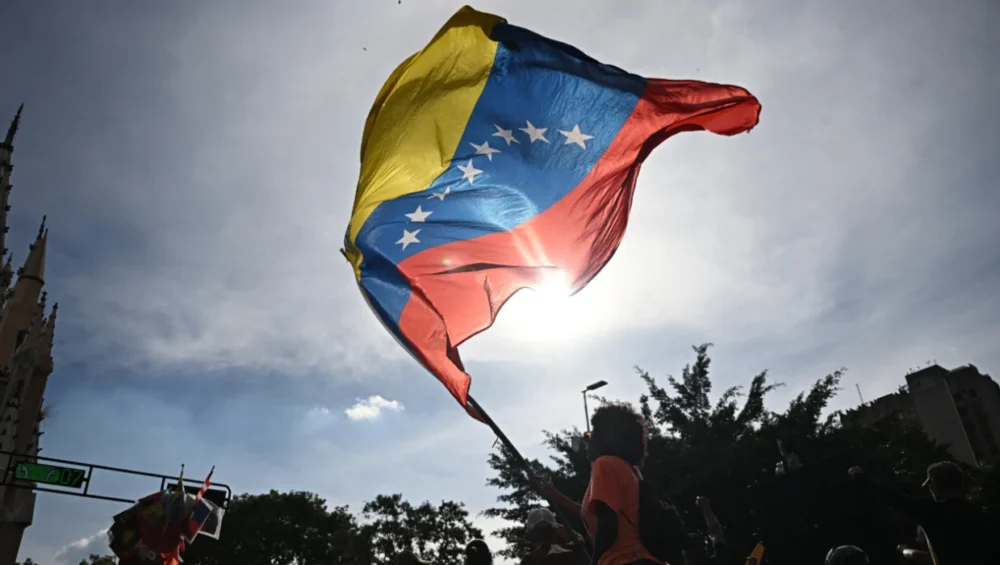
The military intervention carried out by the U.S. in Venezuela, which resulted in the arrest of President Nicolas Maduro and Venezuelan First Lady Cilia Flores, has raised numerous concerns regarding human rights and legality. According to experts, this intervention most probably violates the UN Charter, as it has been carried out with clear intentions by the Trump administration to “run Venezuela” and gain control over its oil.
The international community is worried that this sort of behavior among the five permanent members of the UN Security Council would present a very worrisome precedent in international relations, indicating that the use of force, intimidation, and unilateral initiatives may substitute the diplomatic and rules-based international order.
.@antonioguterres deeply alarmed by escalation in Venezuela, culminating with US military action today.
— United Nations (@UN) January 3, 2026
He’s concerned that international law hasn't been respected.
He calls on all actors in Venezuela to engage in inclusive dialogue, in respect of human rights & rule of law.
How many civilians were affected by the attack?
According to reports, at least 40 civilians and members of the military were killed in the strike carried out by the United States, as reported by a senior official of Venezuela to the New York Times. US sources reported that six soldiers were injured during the mission to arrest Maduro.
.@volker_turk alarmed by U.S. intervention in Venezuela.
— UN Human Rights (@UNHumanRights) January 3, 2026
We urge everyone to exercise restraint and fully respect the UN Charter and international human rights law.
The protection of people in Venezuela is paramount and must guide any further action. https://t.co/kFYXfAGas5
One of the most fatal incidents took place at Catia La Mar, which is a poor coastal locality near the airport of Caracas. The incident involved an airstrike on a three-story civilian apartment complex there. The victims of this strike also included 80-year-old Rosa González, who died as a result of the collapse of the exterior wall of the apartment complex she was living in. Her nephew, Wilman González, was injured in the face as he tried to escape the strike.
The apartments stood empty and battered, with their occupants rummaging through what little they could salvage of their belongings. The Venezuelan image of independence, Simón Bolívar, whose portrait was riddled with shrapnel holes, stood out as the painful cost of this operation for the civilians involved.
Some of the Venezuelans outside were praying. Some were angry. A man named Javier attributed the attack on Venezuela to greed, likely referring to the Venezuelan oil fields the administration of President Donald Trump wanted American companies to take over. The lives of people like him did not matter.
The residents reported that four men attempted to rescue Ms. González from the airstrike. They put her on a motorbike and took her to a hospital, but she was already pronounced dead.
Another woman was also taken to the hospital; later, it was reported to the residents that she was alive but in critical condition.
In addition to that, one of the neighbors, a 70-year-old man named Jorge but refusing to give his surname, stated that he had lost all his belongings as a result of the airstrike. Some of the residents were gathered outside while others were rummaging through their apartments that were left partly intact. Very few of them were speaking to each other.
What is the broader human rights concern?
Human rights groups have expressed grave concern about the likely perpetuation of rights violations in Venezuela. Amnesty International called on the U.S. government to comply with international humanitarian law, give primary consideration to the protection of civilians, and treat all persons deprived of liberty in a humane manner.
Amnesty International raises human rights concerns following US’s military action in Venezuela ⬇️ https://t.co/RDdNvyDxyr
— Amnesty International (@amnesty) January 4, 2026
The body raised serious concerns about the human rights of Venezuelan citizens. The group stated that the move by the US most probably breaches international law, such as the UN Charter, as it did with the reported plan by the US to govern Venezuela and manage its oil resources. The group also appealed to the Venezuelan government not to fall into the trap of retaliatory repression in their conflict with the US.
The Independent International Fact-Finding Mission on Venezuela, established by the UN, echoed similar sentiments. Marta Valinas, the chair of the fact-finding investigative team formed by the UN, said that accountability on documented cases in Venezuela cannot be eclipsed due to the current crisis. Alex Neve, an expert panel member, emphasised that even allegedly violating human rights in Venezuela, an illegal military intervention is still unacceptable.
How does the U.S. justify its actions?
The Trump administration has used the alleged corruption and crimes committed by Maduro as a rationale for conducting the operation. Yet international legal experts have questioned the legal rationale for the intervention in Venezuelan territory when such allegations have been used. This intervention defies international norms against the use of force and can encourage subsequent interventions by other Great Powers.
What precedent does this set for international relations?
The international community has been alarmed by the action because it illustrates how big countries might use force in order to bypass the diplomatic process and the UN Security Council. It has been argued that such incidents create a dangerous precedent that can make it more likely that countries will disregard international law in order to further their own strategic goals.
While the military operation by the United States has received widespread condemnation, the chronic repression under the Venezuelan authorities continues to be a cause of grave concern. The UN Fact-Finding Mission has documented extrajudicial killings, arbitrary detention, enforced disappearances, torture, and gender-based violence in Venezuela. Human rights experts emphasize that when there is a case of an international illegality, it does not relieve the Maduro government of its responsibility for years of documented abuses.