
It was enforced after a provincial karate delegation had attended a tournament in Moscow between February 28 and March 2, 2026. The grievances about irregularities led to identity checking, immigration screening, and search of traveling plans. Officials were interested in finding out whether sports visas were utilized in the legitimate sphere of competition or they were abused as the ways of irregular migration.
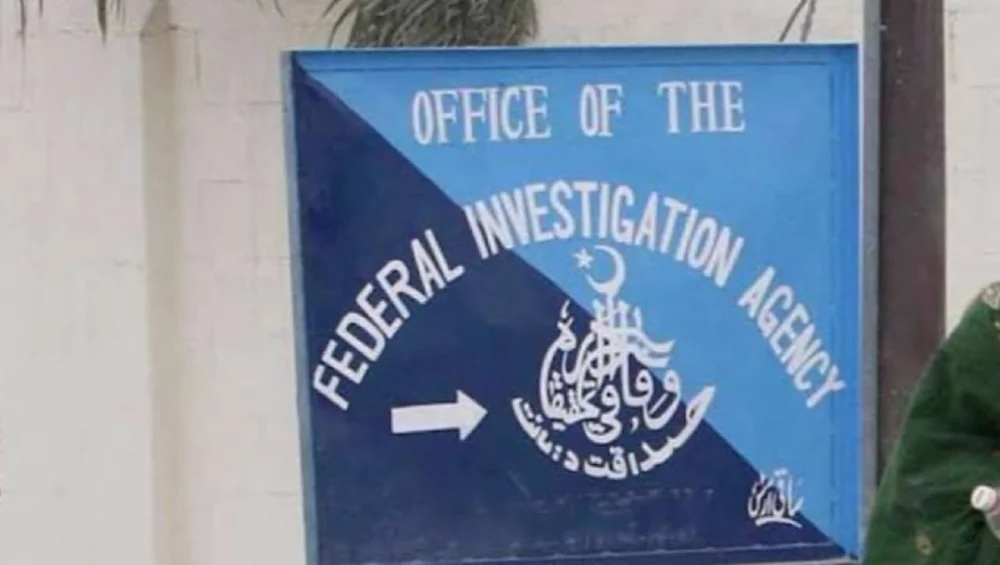
The investigation started with the Federal Investigation Agency that started examining the records of participants and coordination procedures that were associated with the event. The authorities pointed out that the investigation would not just be on the sports but also on administrative organizations and agents in approvals. The case served as a breakthrough in the practices of oversight since it sped up reforms that were already being discussed in provincial governance circles.
Verification of Participants and Travel Patterns
Researchers concentrated on the mismatch of official team lists and those who actually attended. Specific interest was given to the number of participants who stayed in one of the foreign countries or came onward using third countries after the tournament was over. Officials reported the exit records and return confirmations to be included in the compliance review.
This approach is a part of a larger trend of delegation tracking on the basis of data. Limiting travel logs to team rosters will be used by regulators to seal loopholes that may enable substitutions or absconding events. The plan is an institutional shift in enforcing it reactively to preventive screening.
Expansion of Provincial Oversight
The review spread to sports federations that were functioning in Khyber Pakhtunkhwa. Registered associations and unregistered associations have been scrutinized as potential participants in unhealthy recruitment or documentation methods. It will seek to map networks that can be used to misuse athletic credentials.
Officials also assured that surveillance would now involve co-ordination of the provincial sport authorities and the federal enforcement agencies. This working arrangement is created to assure that global involvement is in line with validated requirements of eligibility. The operation is supposed to protect the credibility of the institutions and valid sport exchanges.
Institutionalization of NOC Requirements
The Moscow-related investigation has had one of its major effects on the increase of the required No Objection Certificates of all provincial delegations going abroad. Within the new system, sports teams should be cleared prior to departure to identify authenticity of the participants and adherence to immigration regulations.
The policy has it that the documentation of the policy must be vetted by Pakistan Sports Board before international competitions. Using this method to centralize the approval power, the regulators intend to minimize discrepancies of the federations with each other and avoid illegal travel arrangements. The reform legalizes what was being selectively put into practice.
Closing Loopholes in Visa Use
Although the sports visas are meant to facilitate legitimate competitions, in certain instances there have been instances that it has been discovered as a means of entry into irregular migration. The new NOC requirement is going to deal with this weakness by making mandatory background checks of all the listed athletes and officials. Authorities make it clear that the action is preventable, not punitive.
Also the verification of coaching staff and support personnel has been added to the updated process. This makes sure that all the people who are related to a delegation pass the qualifications. The larger goal is to eliminate abuse without limiting actual sporting activity.
Standardization Across Federations
Sports federations registered now have to present elaborative rosters and traveling arrangements beforehand. Unregistered organizations have an extra compliance cost, restricting the possibilities of international interaction without authorization. The reform aims at standardizing disciplines.
This is a systematic method that reflects on compliance models in other jurisdictions where the movement of athletes border migration policy. Through the institutionalization of the review processes, the authorities would strive to ensure international representation and a transparent governance practice. The transition is an indication of increased awareness of cross-sector vulnerabilities.
Historical Context of Sports-Linked Trafficking
The issue of sports-based migration has been a periodical phenomenon over the past few years especially in places where unemployment among youths is high and the area has been connected with the rest of the world. In 2025, the investigations revealed that there were cases where athletic events were reportedly employed as the means of illegal travelling. The latter cases educated the creation of more stringent supervisory systems.
Multiple enforcement reports have indicated that the province of Khyber Pakhtunkhwa is one of the areas that need to be monitored. The risk profiles are also high because of geographical close proximity to international transit routes as well as socio-economic strains. Governments have addressed this through selective compliance.
Lessons from Prior Enforcement Actions
Previous activities showed how intermediaries offered overseas opportunities by sports competitions. There were some instances which resulted in deportations and even legal actions and this supports the fact that systematic checks are necessary. These results were used in the policy decision which required NOC clearance.
The trend indicated the existence of loopholes in oversight as opposed to formal participation on its own, which facilitated exploitation. Incorporating verification into the system of the approvals, the regulating bodies would minimise the use of post-event investigation. The reform therefore changes focus to pre-departure compliance check-up.
Broader Anti-Trafficking Alignment
National enforcement trends show increased coordination between sports authorities and federal investigators. The Federal Investigation Agency has expanded specialized units focusing on human trafficking cases linked to travel documentation. These units now interact more closely with provincial sports administrations.
The integration reflects alignment with international anti-trafficking frameworks. By strengthening domestic safeguards, authorities aim to prevent reputational risks and ensure that legitimate athletes are not disadvantaged by irregular actors. The approach positions sports governance within a broader national compliance strategy.
Stakeholder Adjustments and Governance Impact
The federations working in Khyber Pakhtunkhwa have become more accountable when it comes to the process of participant selection and documentation. Training records, competition history, and identity credentials are the areas of compliance. These are aimed at streamlining the integrity between events.
Sports administrators also admit that the administrative capacity will have to be enlarged to address new expectations. Investment in online record systems and central databases could ease up the approval cycles. The institutional coordination will determine the success of the policy.
Administrative Modernization Needs
Online services to receive NOC applications might minimize delays in processing but ensure the rigor of its verification. Biometric or identity verification tools could also be integrated to provide additional protection. These systems would not affect legitimate competition since they would promote transparency.
It is also important that capacity building in provincial sports offices should be provided. Consistency and errors can be optimized by staff training on compliance protocols. These improvements are intended to strike a balance between supervision and efficiency of operation.
Balancing Opportunity and Regulation
Although the NOC requirement has added more procedures, it strengthens the trust in international sporting participation. Clear records and checked lists can make foreign organizers more trustful. In the long run, sustainable engagement can be facilitated by compliance transparency.
The rules system does not seek to stop abuse and maintains authentic athletics freedom. It will be necessary to have clarity in communication between agencies enforcing and federations. The result will be determined by the ability of the stakeholders to get used to standardized procedures.
Forward Outlook for Provincial Sports Governance
The rise of NOC Mandates Rise reflects a broader recalibration of oversight within provincial sports networks. Authorities signal sustained vigilance, with future international delegations subject to structured pre-approval processes. The framework now serves as the baseline for participation abroad.
Continued collaboration between the Pakistan Sports Board and the Federal Investigation Agency will likely shape implementation standards. Regular audits and compliance reviews are expected to accompany international events. These mechanisms aim to ensure institutional integrity.
As enforcement expands, the central question becomes how effectively regulation can deter exploitation without constraining legitimate opportunity. The evolving system in Khyber Pakhtunkhwa may serve as a model for balancing sports development with migration safeguards. The trajectory of NOC enforcement will reveal whether enhanced oversight can simultaneously protect athletes, preserve reputation, and sustain international participation.