
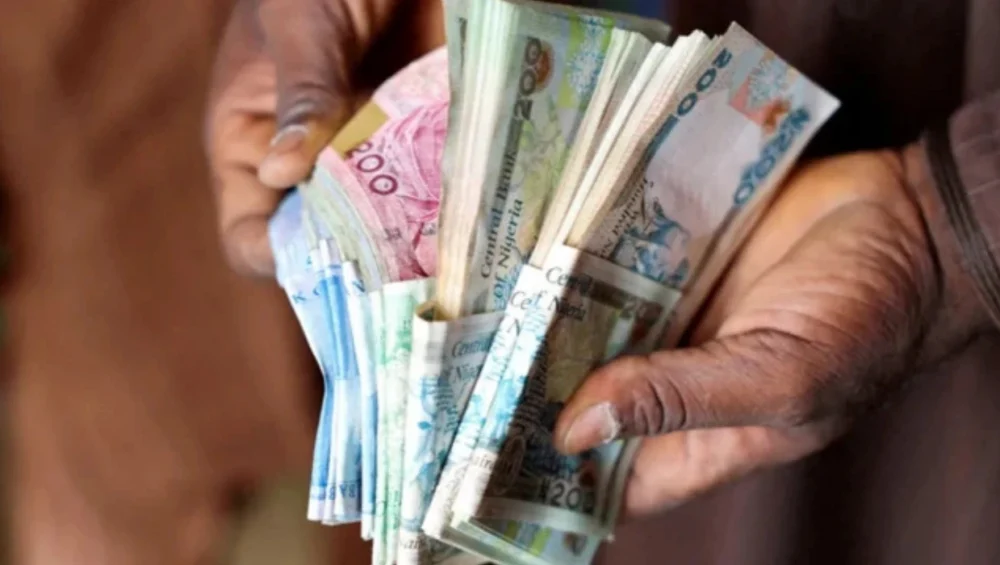
Nigeria’s ransom economy has become one of the most visible indicators of the country’s widening security crisis in 2025. What once appeared as isolated banditry has transformed into a structured market shaped by data, negotiation patterns and clear regional specialisation. The model now intersects with organised crime, terror financing and the erosion of formal state authority across multiple regions.
According to the SBM Intelligence, a Lagos-based consultancy, at least 4,722 individuals were kidnapped during 997 kidnappings cases in the country during July 2024- June 2025. Ransom requests in the period were at an approximate 48 billion naira and about 2.56-2.57billion naira was awarded to have been paid. This is a mere five percent of the total amount demanded but it is considerable enough to maintain a national kidnap-for-ransom industry that is now affecting local economies and life in general.
The trend has been aggravated by currency depreciation. The amount paid as ransom increased by two times in naira value over last year, but it also increased by less than 2 percent in dollar value to approximately 1.66 million dollars as naira depreciated. In a bid to maintain the real value, kidnappers have retaliated by raising demands of naira denominations drastically. Already affected by the inflation and subsidy reforms, families now face deteriorating obstacles to having kidnapped family members released.
How Kidnapping Bankrolls Terror And Organised Violence?
The ransom economy in Nigeria is a source of much-needed funds by insurgent groups and criminal networks. According to the evaluation of SBM of 2025, it has shown that one-third of the total ransom proceeds documented were seized by the Islamist groups, and a section of Boko Haram was active during the year. One incident in September 2024-the kidnapping of High Court judge Haruna Mshelia in Borno has generated approximately 766 million naira, which is almost 30 percent of the total ransom money monitored in the country.
The money is used to buy weapons, recruit and transport them, and keep the armed groups alive without necessarily relying on foreign aid or illegal cross-border transactions. Those who have been cited as analysts in the Nigerian media use the term kidnapping as a financial system that is self-sustaining in that it renders insurgency more adaptive and less susceptible to the traditional counter-financing interventions.
Banditry And Conflict Entrepreneurship
In addition to insurgency, the north-west has got its fair share of a sophisticated banditry system and strongmen in the region who are highly reliant on ransom revenues. This area had a share of about 62 percent of kidnapping victims in mid 2024 to mid 2025; Zamfara topped with about 1203 abductions, Kaduna, and Katsina.
These organizations spend the ransom money to purchase motorcycles, guns and ammunition and also have their networks of informants. Their business is characterized by a combination of kidnapping, cattle stealing, lawless mining and protection rackets, which create such hybrid criminal economies that the violence has turned into an entrepreneurial practice. The success of this model would stimulate imitation by other unemployed young men and increase the number of potential recruits.
Cross-Regional Expansion Of Abduction Markets
Northern states represent the majority of incidents of cases but high-impact cases in the south-south and north-central areas depict more widespread geographic dissemination. In Delta State, there are reported cases of kidnappers who demanded tens of billions of naira in a single case, which has an impact on raising national averages and indicating that it may be valued higher in the future.
Large-scale kidnappings of students are still in focus. The global press was given Nigeria at the end of 2025, following the kidnapping of over 300 children in a catholic school in western part of Nigeria by unknown men. The events strengthen the other existent fears on the level of safety in schools and the ability of the government to secure school facilities that are vulnerable.
Data Gaps And Under-Reporting In Abduction Statistics
In spite of the massive data gathering processes, available figures are probably underscoring the magnitude of the ransom business in Nigeria. Most of the rural communities fail to report kidnappings since they fear being reprisaled or because they lack trust in authorities. A quick resolution of kidnappings and other incidents in remote areas do not always go through paperwork. Consequently, analysts warn that gaps have marred insecurity data analysis to blur the real picture of operations.
Consequences Of Incomplete Data For Policy Planning
The fact that hotspots are under-reported complicates the process of identifying them and weakens security strategies. The policy makers make use of incomplete information which restricts the accuracy of the target interventions. Despite these limitations, patterns through confirmed information portray a distinct positive trend of ransom payments as well as kidnapping cases.
Eroding State Authority And Public Confidence
The magnitude and rate of kidnapping in 2025 shows the declining capacity of the Nigerian state to impose some form of order in the rural and peri-urban regions. Villages are regularly raided by armed units, buses and schools are hijacked and stormed with barely any opposition. Every case of a privately negotiated ransom ending a rescue strengthens the image of armed actors having a more practical power than the state.
The review period was associated with at least 762 deaths related to abduction-related violence with approximately 563 civilians, 180 suspected kidnappers, and 19 security officers. Ransom bearers themselves in various instances were kidnapped or murdered once they tried to negotiate releases, which shows the increasing uncertainty of the results.
Policy Responses, Legislative Shifts And Implementation Gaps
The federal and state authorities have tried to revert to legal change and increased security communication. In 2025, the Nigerian parliament proceeded with the plans to categorize kidnapping as a terrorism crime and apply the death penalty to the offenders and funders. Lawmakers suggest that the crime has now turned into a coordinated economic violence threatening the stability of the country.
President Bola Tinubu has already promised to modernise security systems and break the financial chain of the kidnapping networks. However, frequent high-volume kidnappings and high ransom rates indicate that efforts by policy-makers have not been translated into operational performance. Civil society groups have cautioned the lack of progress in investigative abilities, prosecution and tracing of finances would make legal reforms appear empty.
Socioeconomic Pressures And The Sustainability Of The Ransom Market
The overall socioeconomic context of Nigeria helps to make the ransom economy lasting. Increased poverty, unemployment among the youths and reduced household income increases the number of people that might be recruited into kidnapping networks. Societies that have been destroyed by frequent kidnappings tend to sell off assets such as livestock, land and future harvests to ransom their individuals further weakening local economies.
Community-Funded Ransom Systems And Long-Term Risks
According to SBM Intelligence, the community-based ransom system in Nigeria is unsustainable in its nature. The payments erode the funds that can be used by the community to survive and promote the profitability of abduction. Even though it is well known that ransom transfers enhance additional kidnappings, families remain to focus on the immediate safety rather than long-term security considerations in a situation of low institutional trust.
The Strategic Uncertainty Facing Nigeria’s Security Future
The growing question in 2025 is whether Nigeria can destabilize its ransom economy, which has been deep-rooted, before it becomes even more institutionalized. The analysts point to possible tools, an improved financial intelligence, asset seizures, enhanced security corridors in rural areas and focused investment into high-risk areas, but points out that kidnapping businesses are dynamic, well-established, and integrated with larger governance problems.
The question of how the state can restore authority quickly enough to deal with these networks, and how communities can once again trust formal institutions more than private negotiation, still lingers as a distinctive challenge to the future Nigeria and its security path. The dynamics of the ransom economy in Nigeria in 2025 will remain under further examination due to the changing nature of the dynamics of the ransom economy in the country, which is undergoing the intersection of financial flows, armed forces and the need of trust by the population to define the long term stability of the country.